This post may contain affiliate links, which means I may earn a small commission at no extra cost to you. As an Amazon Associate I earn from qualifying purchases. Full disclosure
Shop for spring garden essentials HERE
There’s something magical about those first warm days when winter finally loosens its grip, and I find myself drawn to the windows, watching for the tiniest hints of green. If you’re like me, you’ve probably been dreaming of fresh herbs on your windowsill and vibrant blooms welcoming you home each evening. This Beginner’s Guide to Spring Gardening: Plants That Thrive in Early 2026 is exactly what we need to turn those cozy gardening dreams into reality.
I remember my first spring garden attempt—equal parts excitement and overwhelm. Between frost dates, soil temperatures, and endless plant options, it felt more complicated than it needed to be. But here’s what I’ve learned: spring gardening can be beautifully simple when you focus on the right plants and gentle routines that actually work.
Whether you’re sipping your morning coffee while planning your first garden beds or stealing quiet moments to nurture seedlings, this season offers the perfect opportunity to create something meaningful right outside your door.
Key Takeaways
• February is your planning month—order dormant fruit trees and finalize plant selections while inventory is at its peak
• Focus on frost-tolerant crops like kale, lettuce, peas, and radishes that thrive in spring’s cool temperatures
• March is all about soil prep—clear debris, test pH, and install any needed infrastructure before the April planting rush
• Choose beginner-friendly plants like leeks, cherry tomatoes, and pansies that forgive mistakes and reward you with abundant growth
• Start with simple routines that fit naturally into your daily rhythm rather than overwhelming your schedule
Planning Your Spring Garden Journey: February Foundations

The Art of Thoughtful Planning
February might feel too early to think about gardening, but this quiet month is actually the secret to spring success. While snow might still dust your windowsills, February is the critical preorder window for dormant fruit trees and spring plantings while stock is high[1]. I love this planning phase—it’s like curating finds for your outdoor space, much like selecting the perfect pieces for your home.
Grab your favorite notebook and a warm cup of tea. This is the time to finalize plant selections now, as this is the last opportunity before spring rush[1]. I find that planning during these calm winter moments helps me make more intentional choices rather than impulse purchases at the garden center.
Creating Your Plant Wishlist
Start with what speaks to you. Do you envision fresh herbs for your morning eggs? Perhaps colorful blooms to photograph for your social feeds? Or maybe you’re drawn to the idea of harvesting your own salad greens for family dinners.
For beginners, I always recommend starting with these reliable favorites:
- Leeks – the most forgiving vegetable for new gardeners
- Frost-tolerant greens like kale and spinach
- Sweet peas for romantic, fragrant blooms
- Cherry tomatoes that practically grow themselves
The beauty of planning ahead means you can research each plant’s needs without pressure. Create a simple list of what you want to grow, when to start seeds, and where each plant will live in your space.
Setting Up for Success
This planning phase is also perfect for ordering any tools or supplies you’ll need. Think about it like preparing for holiday entertaining—having everything ready makes the actual event so much more enjoyable.
Consider what infrastructure your garden might need: simple raised beds, basic irrigation, or even just quality potting soil for containers. February’s slower pace gives you time to make these decisions thoughtfully rather than frantically in March.
Essential Spring Prep: March Foundations for Growth
Preparing Your Garden Canvas
March is soil preparation month: clear debris, freshen mulch, install edging and irrigation systems, and test soil pH before the April planting surge begins[1][5]. I think of March as the month we prepare our outdoor canvas—much like styling a room before adding the finishing touches.
Start by walking through your garden space with fresh eyes. Clear away any winter debris, old leaves, or forgotten summer remnants. This simple act of tidying feels surprisingly therapeutic and helps you reconnect with your outdoor space after winter’s hibernation.
The Soil Story
Your soil is the foundation of everything beautiful that will grow. Test soil pH during March to ensure your plants will thrive[5]. Most garden centers offer simple soil testing, or you can order easy-to-use home test kits.
While you’re thinking about soil health, this is the perfect time to add fresh compost or organic matter. I love how this connects us to natural cycles—feeding the earth that will soon feed us. It’s a gentle reminder that gardening is really about partnership with nature.
Installing Garden Infrastructure
March’s mild weather makes it ideal for any installation projects. Whether you’re adding simple drip irrigation, defining garden beds with natural edging, or setting up trellises for climbing plants, completing these tasks now means you’ll be ready when planting season arrives.
Install deer/rabbit/squirrel barriers (fencing, hardware cloth, netting) and establish fragrant herb borders in March to protect young plantings[5]. Think of this as creating a safe, nurturing environment for your future plants—like baby-proofing, but for gardens.
Creating Cozy Garden Spaces
Don’t forget to consider how you’ll enjoy your garden space. Maybe it’s a simple bench where you can sit with your morning coffee, or a clear path that makes tending plants feel like a peaceful ritual rather than a chore. These thoughtful touches transform gardening from task to daily luxury.
Cool Season Champions: Plants That Love Spring Weather
The Magic of Frost-Tolerant Vegetables
Here’s where spring gardening gets exciting—and surprisingly forgiving. Frost-tolerant crops should dominate spring plantings: direct sow brassicas (broccoli, cabbage), lettuce, spinach, kale, radishes, peas, and root vegetables (beets, turnips, carrots) as soon as soil reaches approximately 45°F[2][5].
I find there’s something deeply satisfying about planting seeds while the air is still crisp. These cool-weather crops actually prefer spring’s gentle temperatures to summer’s intensity, which means they’re naturally aligned with the season’s rhythm.
Beginner-Friendly Superstars
Leeks are the top recommendation for novice gardeners—start seeds indoors, transplant outside, and water regularly with virtually no pest problems[3]. They’re like the reliable friend of the vegetable garden—steady, dependable, and always there when you need them.
Kale and Swiss chard are abundant producers that withstand temperature fluctuations and can yield multiple harvests throughout the season[3][4]. I love how these plants keep giving back—you can harvest outer leaves while the center continues growing, providing fresh greens for weeks.
For those drawn to cherry tomatoes, here’s encouraging news: Cherry tomatoes are exceptionally forgiving; they thrive even with neglect as long as they receive consistent watering[3]. They’re perfect for busy moms who want homegrown flavor without complicated care routines.
Quick-Growing Confidence Builders
Radishes, lettuce, and spinach are perfect for beginners because they grow quickly and show results fast. There’s something magical about seeing tiny seeds transform into harvestable food in just a few weeks. These quick wins build confidence and momentum for your gardening journey.
Mustard greens, sorrel, and perennial herbs (cilantro, parsley, dill, oregano, mint) thrive in spring’s cool temperatures; sorrel and mustard greens should be planted 3-4 weeks before the last frost[2][4]. Fresh herbs transform everyday cooking, making simple meals feel special and intentional.
Long-Term Garden Investments
Consider adding berries (blackberries, raspberries) native to your region are remarkably self-sufficient once established and require minimal maintenance[3]. While they take time to establish, berry bushes become beautiful, productive parts of your landscape that provide years of enjoyment.
Think of these as investments in future cozy mornings—imagine stepping outside to gather fresh berries for your family’s breakfast or holiday entertaining.
Spring Blooms That Bring Joy to Your Everyday

Flowers That Welcome You Home
While vegetables feed the body, flowers feed the soul. Pansies and violas survive frosts and even snow when positioned against house structures for radiant heat, and seedlings from nurseries provide instant gratification versus seed starting[4]. I love how these cheerful faces seem to smile from garden beds and containers, creating those Instagram-worthy moments that make everyday life feel more beautiful.
Position pansies near your front door or kitchen window where you’ll see them daily. Their presence transforms routine moments—like bringing in groceries or checking the mail—into small celebrations of the season.
Romantic, Old-Fashioned Favorites
Sweet peas and nigella (love-in-a-mist) are old-fashioned favorites that should be seeded 6-8 weeks and 2-4 weeks, respectively, before your area’s last frost date[4]. Sweet peas bring the most incredible fragrance to cut flower arrangements, while nigella adds delicate, cottage garden charm.
These flowers connect us to gardening traditions passed down through generations. There’s something deeply satisfying about growing the same varieties our grandmothers might have tended, creating continuity between past and present.
Container Garden Magic
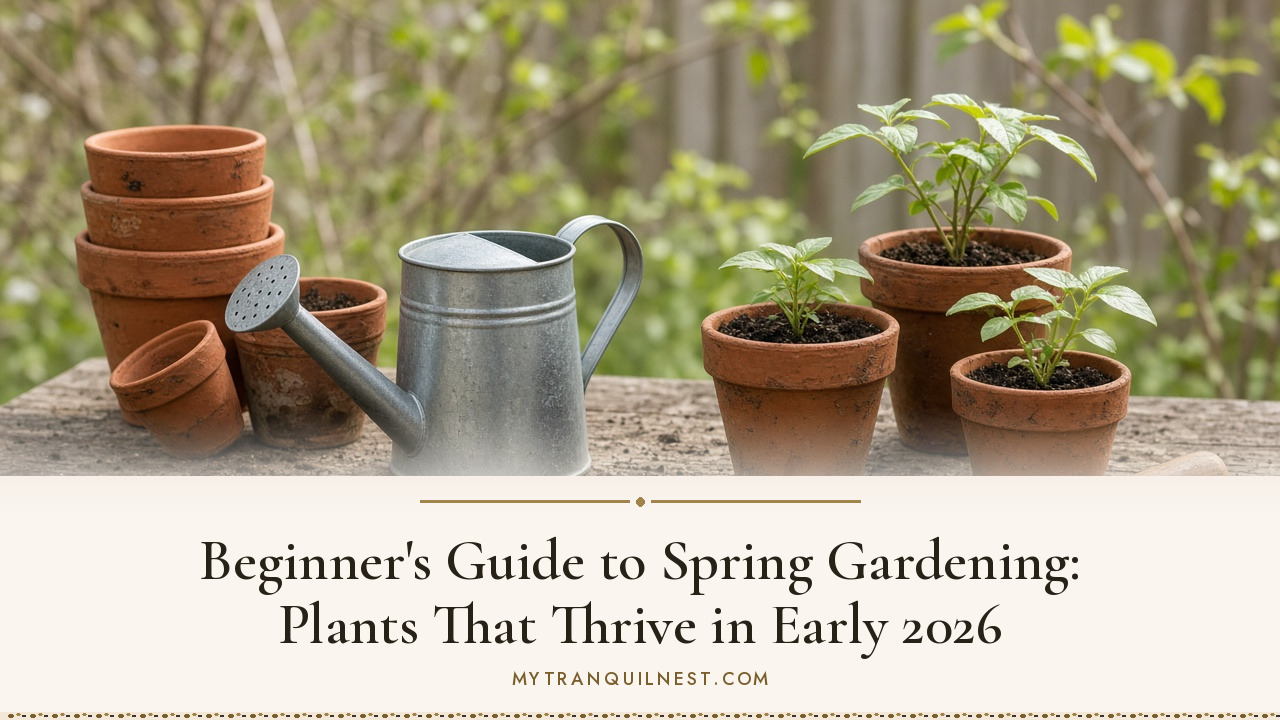
If you’re working with limited space or want to start small, containers offer endless possibilities. Mix pansies with trailing plants, or create herb containers that sit conveniently near your kitchen door. Container gardening feels more manageable for beginners while still providing that connection to growing things.
Creating Cut Flower Moments
Plan for flowers you can bring indoors. Simple bouquets of sweet peas or mixed greens and herbs create those gentle luxury moments that make ordinary days feel special. It’s like bringing a piece of your garden’s calm energy inside your home.
Timing Your Spring Garden Success
Understanding Your Garden’s Rhythm
April marks the official planting season in many hardiness zones, with cold-hardy perennials, ornamental grasses, and shade bushes becoming plantable[1]. But successful spring gardening is really about understanding your specific area’s rhythm rather than following rigid calendar dates.
Pay attention to soil temperature rather than air temperature. When soil consistently reaches about 45°F, it’s time for cool-season crops. This usually happens gradually over several weeks, giving you flexibility in your planting schedule.
Creating Gentle Routines
Instead of trying to plant everything in one overwhelming weekend, spread tasks across several weeks. Maybe Saturdays become your seed-starting mornings, or Sunday evenings are for checking on seedlings. These small, consistent routines feel more sustainable than marathon gardening sessions.
I find that gentle, regular attention creates better results than sporadic intense effort. It’s like maintaining any beautiful routine—consistency trumps perfection every time.
Working with Nature’s Timeline
Spring weather can be unpredictable, and that’s okay. Have row covers or simple protection ready for unexpected cold snaps. Think of these as cozy blankets for your plants—temporary protection that helps them weather difficult moments.
Remember that gardening is a partnership with nature, not a battle against it. Some years spring arrives early, others late. Flexibility and patience create more joy than rigid expectations.
Simple Care Routines That Actually Work
Watering Wisdom
Consistent watering is more important than perfect soil or expensive fertilizers. Most spring plants prefer deep, less frequent watering rather than daily sprinkles. This approach encourages strong root development and reduces your daily workload.
Set up simple systems that work with your lifestyle. Maybe it’s a basic drip irrigation timer, or perhaps you prefer the meditative ritual of hand watering with a beautiful watering can. Choose what feels sustainable and enjoyable for you.
Gentle Maintenance
Spring gardens need surprisingly little fuss. Regular weeding while weeds are small, occasional feeding with gentle organic fertilizer, and watching for any pest issues covers most care needs.
I love how spring gardening maintenance can become part of peaceful morning or evening routines. A few minutes checking on plants while coffee brews or during that golden hour before dinner creates natural rhythm rather than another item on your to-do list.
Problem Prevention
The best garden problems are the ones that never happen. Install barriers and establish fragrant herb borders early to deter common pests[5]. Herbs like mint, oregano, and dill not only provide fresh flavors for cooking but also naturally discourage unwanted garden visitors.
Choose disease-resistant varieties when possible, and give plants appropriate spacing for good air circulation. These simple preventive measures reduce the need for intervention later.
Making It Personal: Your Spring Garden Style

Reflecting Your Aesthetic
Your garden should feel like an extension of your home’s style and your personal preferences. Love modern neutral style? Consider containers in soft grays and whites with structured plantings. Drawn to cottage garden romance? Mix flowers and vegetables in abundance with natural materials.
Think about how your garden connects to your indoor spaces. Maybe you want herbs that complement your cooking style, or flowers in colors that echo your home’s palette. These connections create harmony between indoor and outdoor living.
Family-Friendly Considerations
If you have little ones, include plants that engage their senses and curiosity. Cherry tomatoes are perfect for small hands to harvest, while herbs like mint provide wonderful scents and textures to explore.
Create designated spaces where children can help or have their own small plots. Gardening together builds beautiful memories while teaching patience, responsibility, and connection to natural cycles.
Seasonal Transitions
Plan for how your spring garden will transition into summer. Some cool-season crops will bolt in heat, making space for warm-weather plants. Others, like herbs and certain flowers, will continue providing beauty and harvest through multiple seasons.
This forward thinking helps your garden feel intentional rather than random, creating the kind of curated outdoor space that supports your lifestyle throughout the year.
Conclusion
Starting your spring garden journey doesn’t require perfection—just gentle intention and the willingness to begin. This Beginner’s Guide to Spring Gardening: Plants That Thrive in Early 2026 offers a foundation for creating the kind of outdoor space that supports your desire for calm, beautiful, everyday moments.
Remember that every experienced gardener started exactly where you are now. Choose a few plants that speak to you, prepare your space with care, and trust that nature wants to partner with you in creating something beautiful.
Your spring garden awaits—not as another overwhelming project, but as a gentle invitation to slow down, connect with natural rhythms, and nurture something meaningful right outside your door.
Ready to begin? Start with soil preparation this month, order your favorite seeds or plants, and take that first step toward the garden you’ve been dreaming about. Your future self will thank you for the courage to start.
References
[1] 2026 Planning Guide Mapping Out Your 2026 Planting Season – https://naturehills.com/blogs/garden-blog/2026-planning-guide-mapping-out-your-2026-planting-season
[2] How To Plant A Spring Garden – https://www.calicoandtwine.com/blog/how-to-plant-a-spring-garden
[3] Easiest Plants To Grow This Spring – https://dengarden.com/news/easiest-plants-to-grow-this-spring
[4] Im A Garden Writer And These Are The First Things I Plant In Spring – https://www.goodhousekeeping.com/home/gardening/a70280240/im-a-garden-writer-and-these-are-the-first-things-i-plant-in-spring/
[5] What To Do In The Garden In 2026 Month By Month Checklist – https://www.gardenary.com/blog/what-to-do-in-the-garden-in-2026-month-by-month-checklist